
Why a capable, dedicated workforce kept running into fear, friction, and silos, and the daily leadership practices designed to move the organization from defense to ownership.
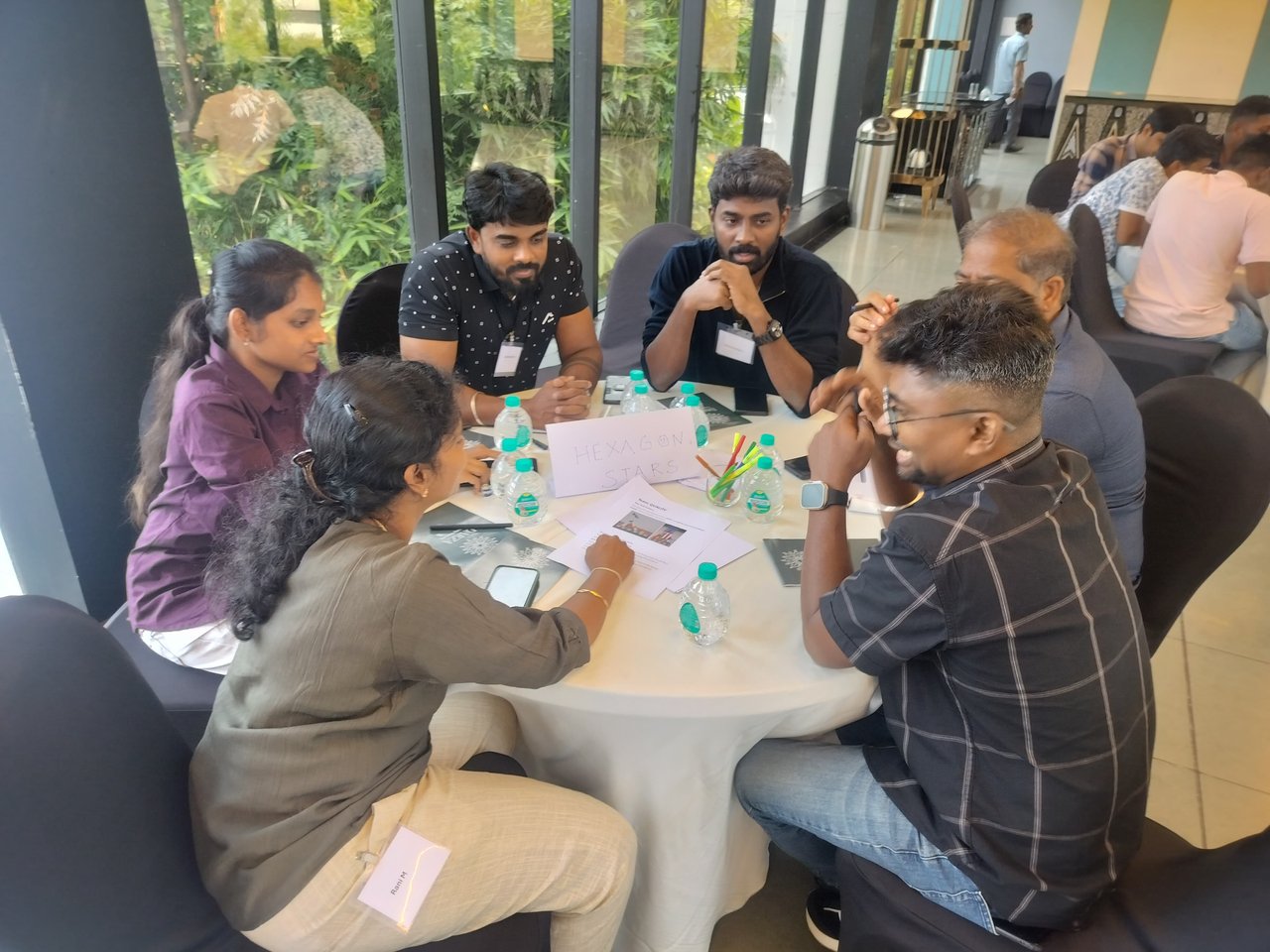
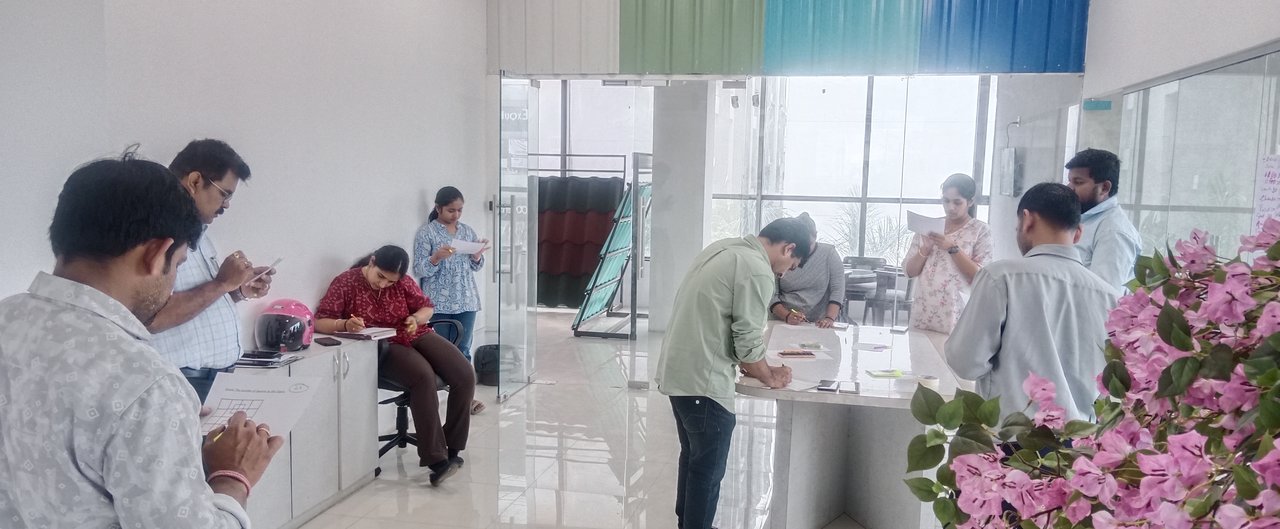
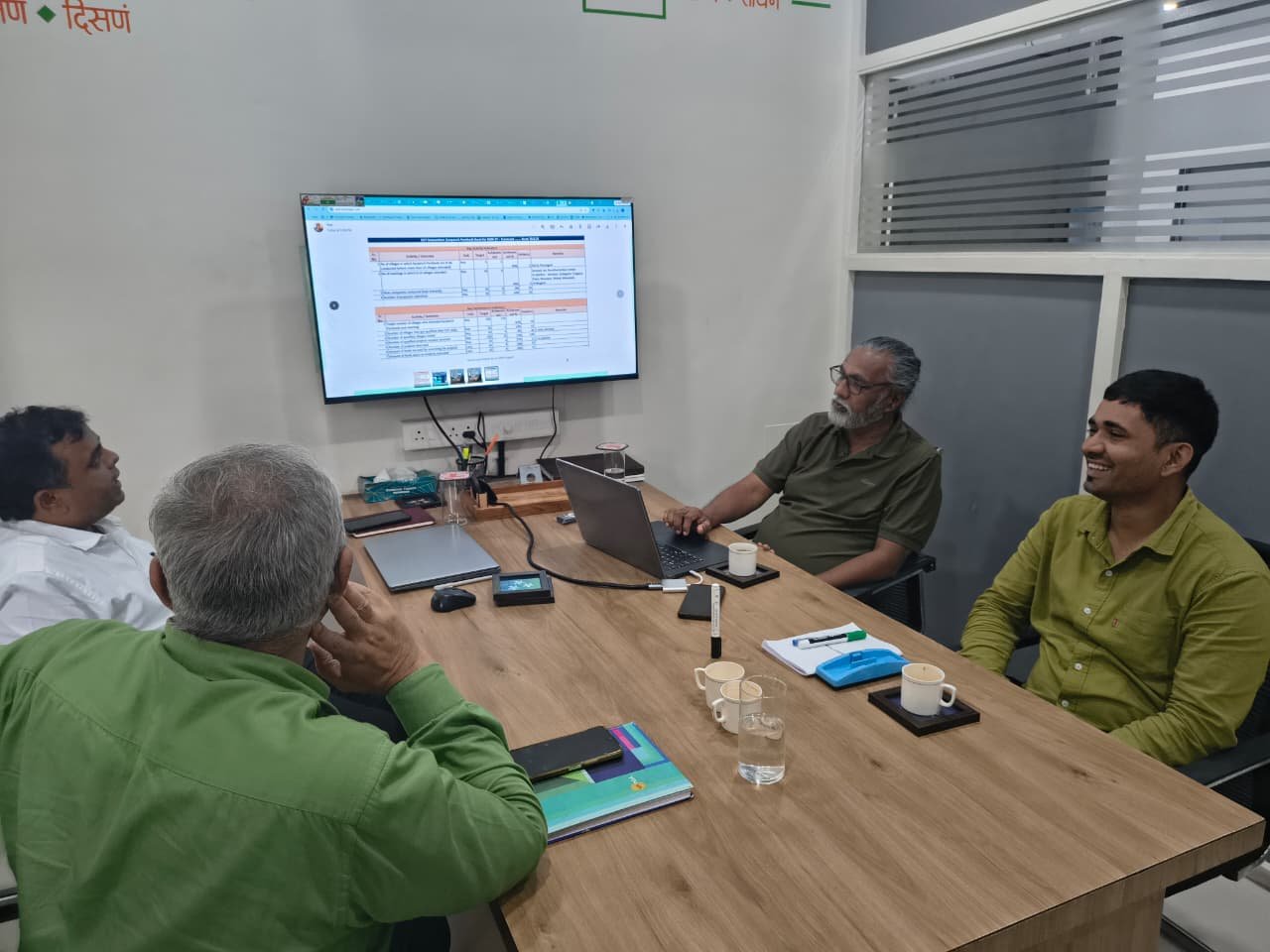
The client came to us with recurring operational friction that had resisted easy fixes. Rather than treat the symptoms, we ran a systematic, confidential diagnosis, ten in-depth interviews across every level and function, to find what was actually driving it.
What emerged was a clear picture: a genuinely talented, dedicated workforce, operating inside a defensive culture that was quietly working against them.
The default response to a problem was “who is to blame?”, making it safer to hide a mistake than report it.
Requests to peers got ignored; the same request copied to a manager got instant attention. Rework followed.
Departments defended their own KPIs even when the shared, customer-facing outcome suffered.
It has become safer to pass a problem along than to take ownership and solve it.
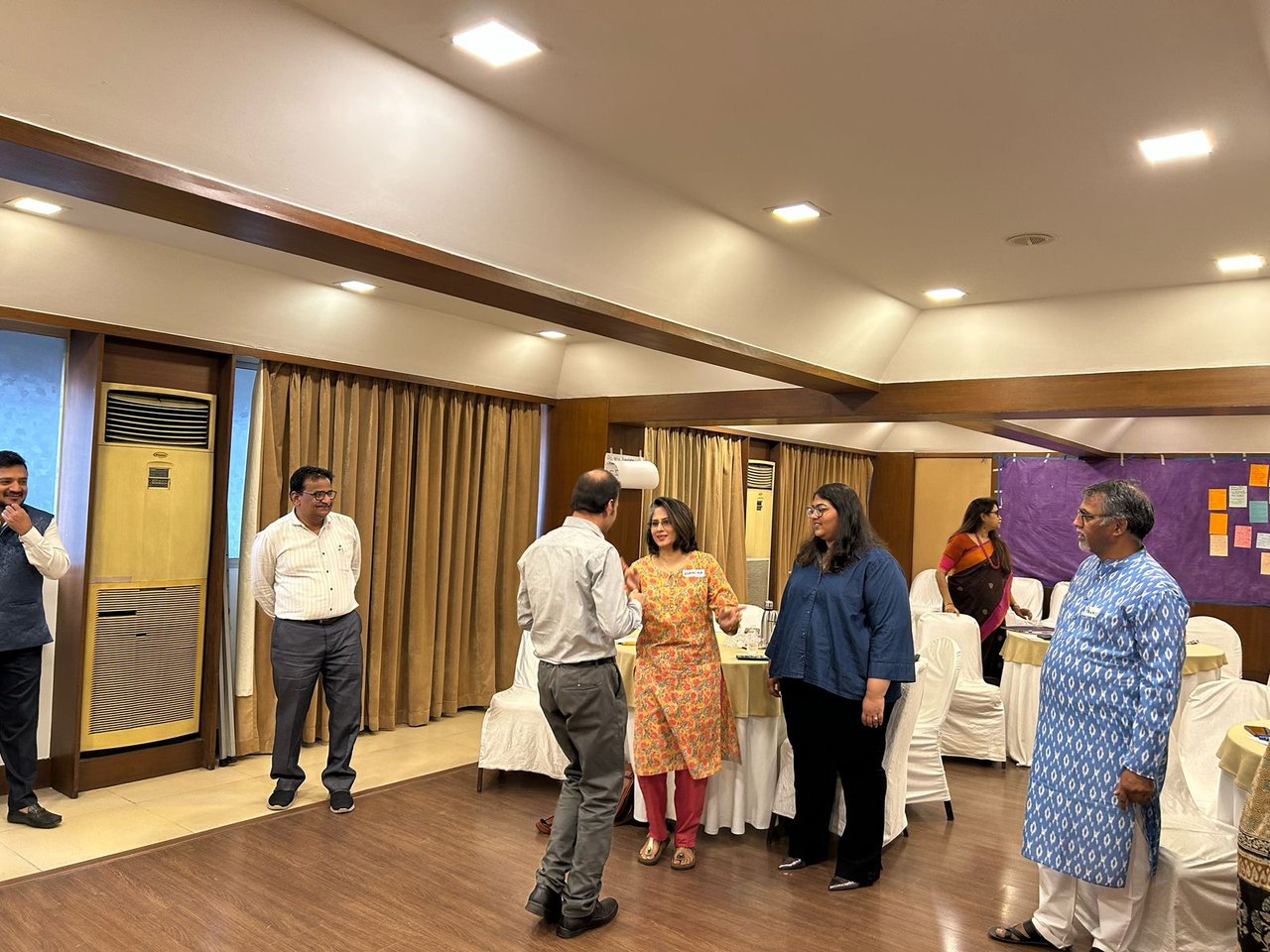
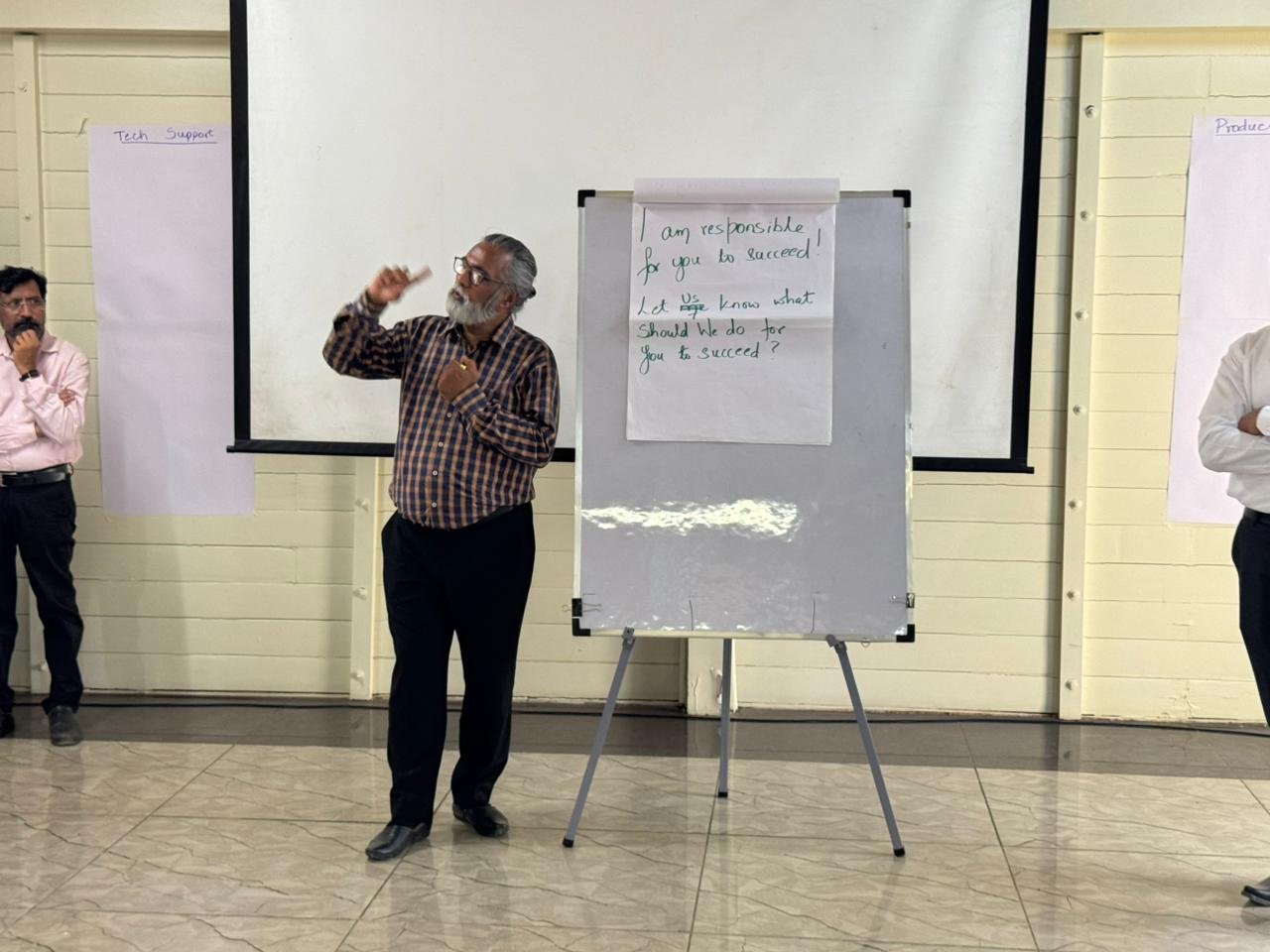
The culture was a result of daily habits, so we reframed it as a system problem and designed three practices leaders could start using immediately.
Replace blame-focused post-mortems with what was expected, what happened, and what we’ll do differently.
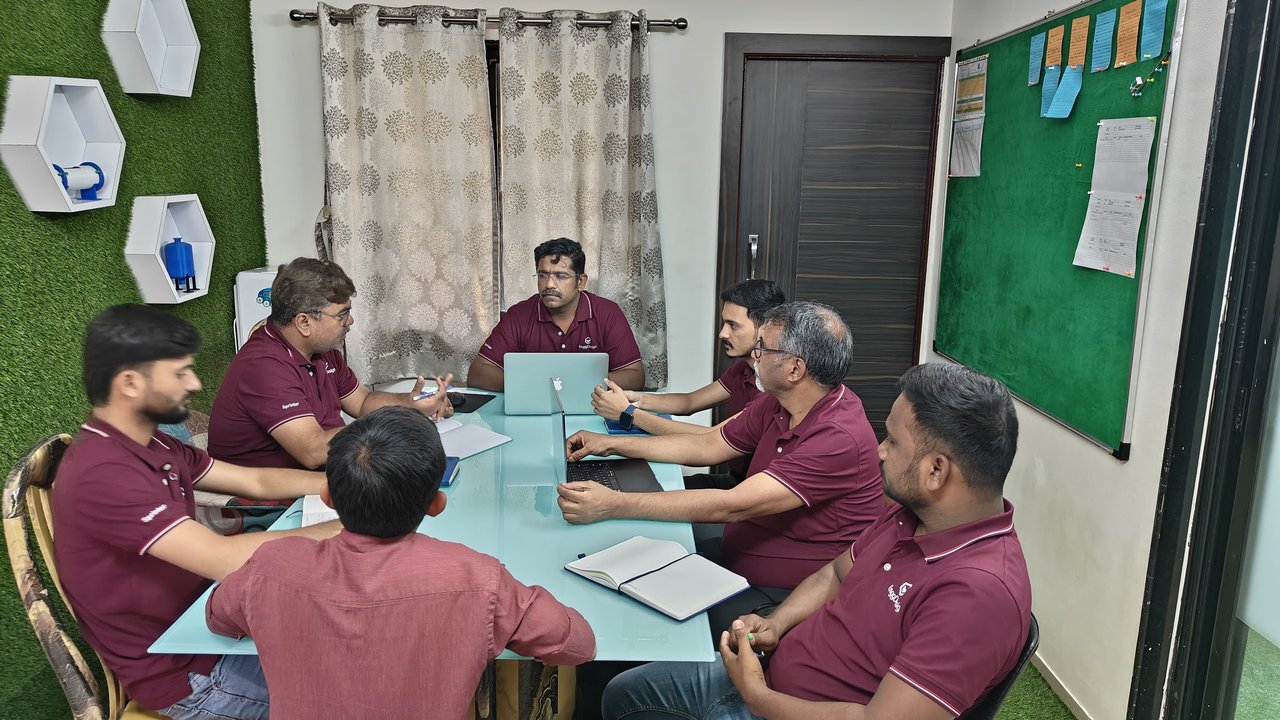
A 15-minute, standing-only cross-functional huddle: today’s priorities, roadblocks, and where a team needs help.
Leaders visit the actual workplace together, weekly, to observe the real process and ask why, not to judge.
The diagnosis reframed how leadership saw the problem: their people were capable and wanted to do good work, but the culture was forcing them into defensive behaviors just to survive it. That reframe, from a people problem to a system problem, is what made the three leadership practices land as credible next steps.
Parinama delivered the diagnosis, the reframed narrative, and the three practices as the client’s immediate next step, alongside a training program to put them into daily use. The work continues as a leadership-led rhythm, not a one-time event.