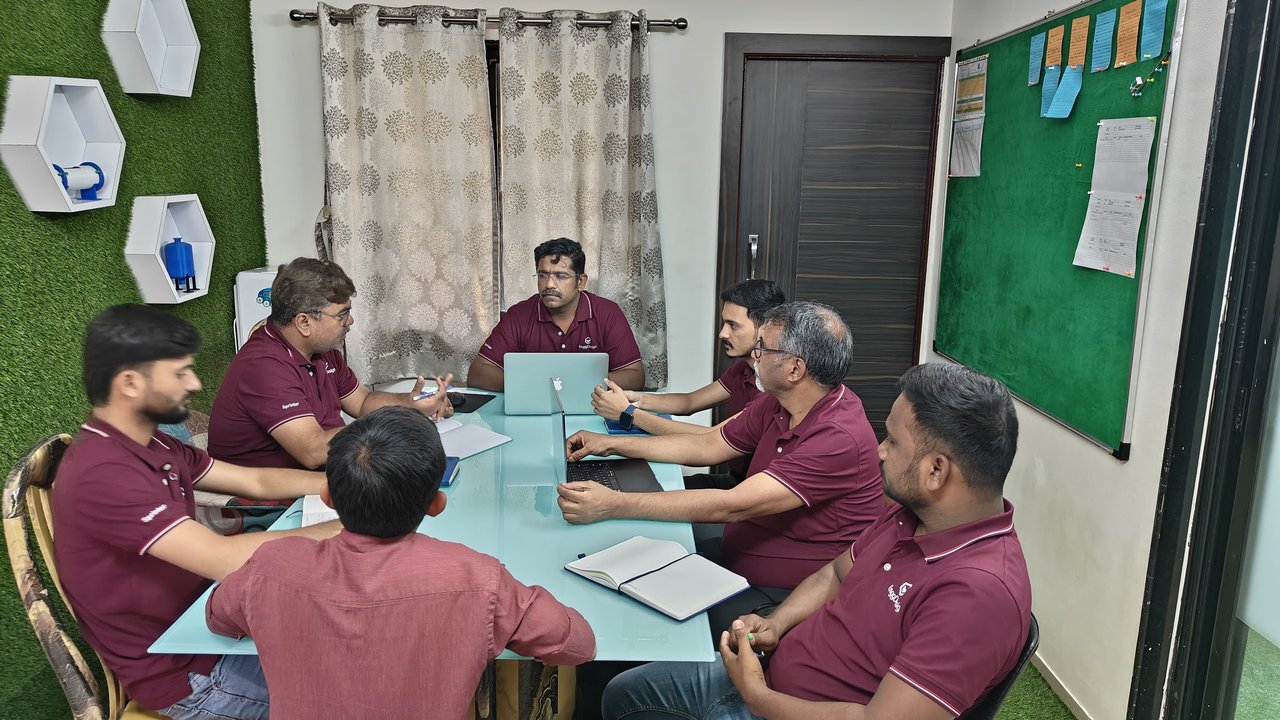

Experiential interventions built around the organization’s actual team challenges, not a catalogue of activities, so the insights survive the ride back to the office.
“We need better collaboration” or “people need to take more ownership” are common requests, but they describe symptoms, not the underlying issue.
I start with conversations with founders and senior leaders to uncover what’s actually happening inside a team before designing a single activity.
A call for “better communication” can mask competing priorities, weak accountability, or simple lack of visibility into what others are doing.
Offsite activities can be fun without ever connecting back to how the team actually works day to day.
Teams often rely on specific people to hold things together, rather than a shared way of coordinating.
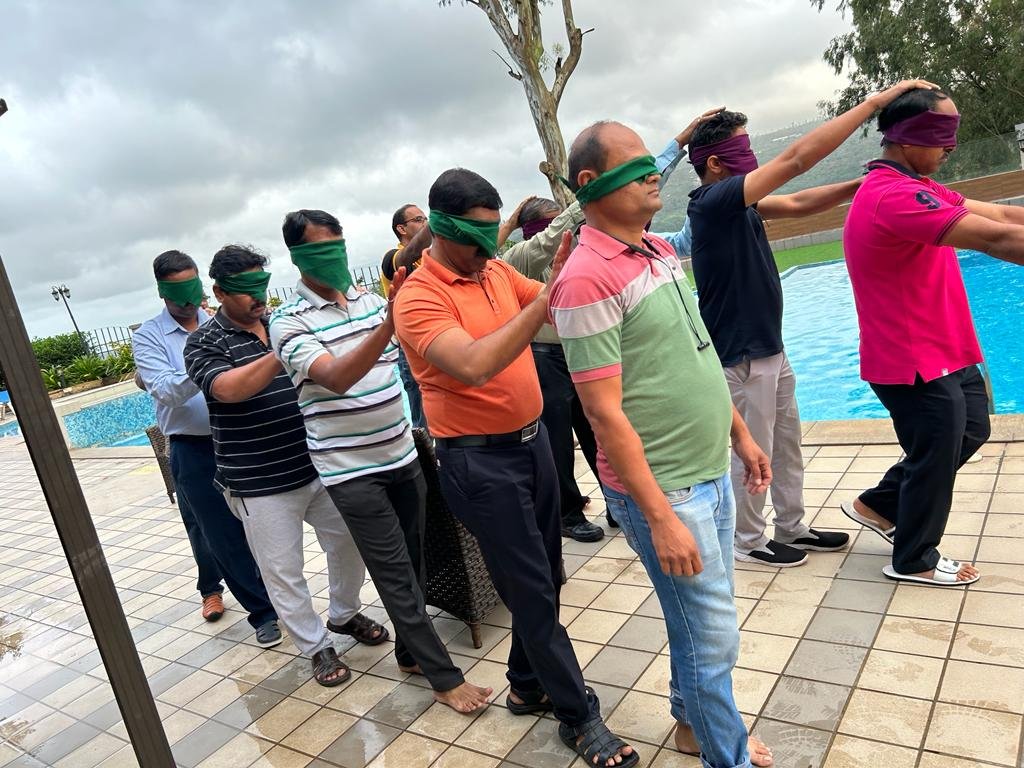
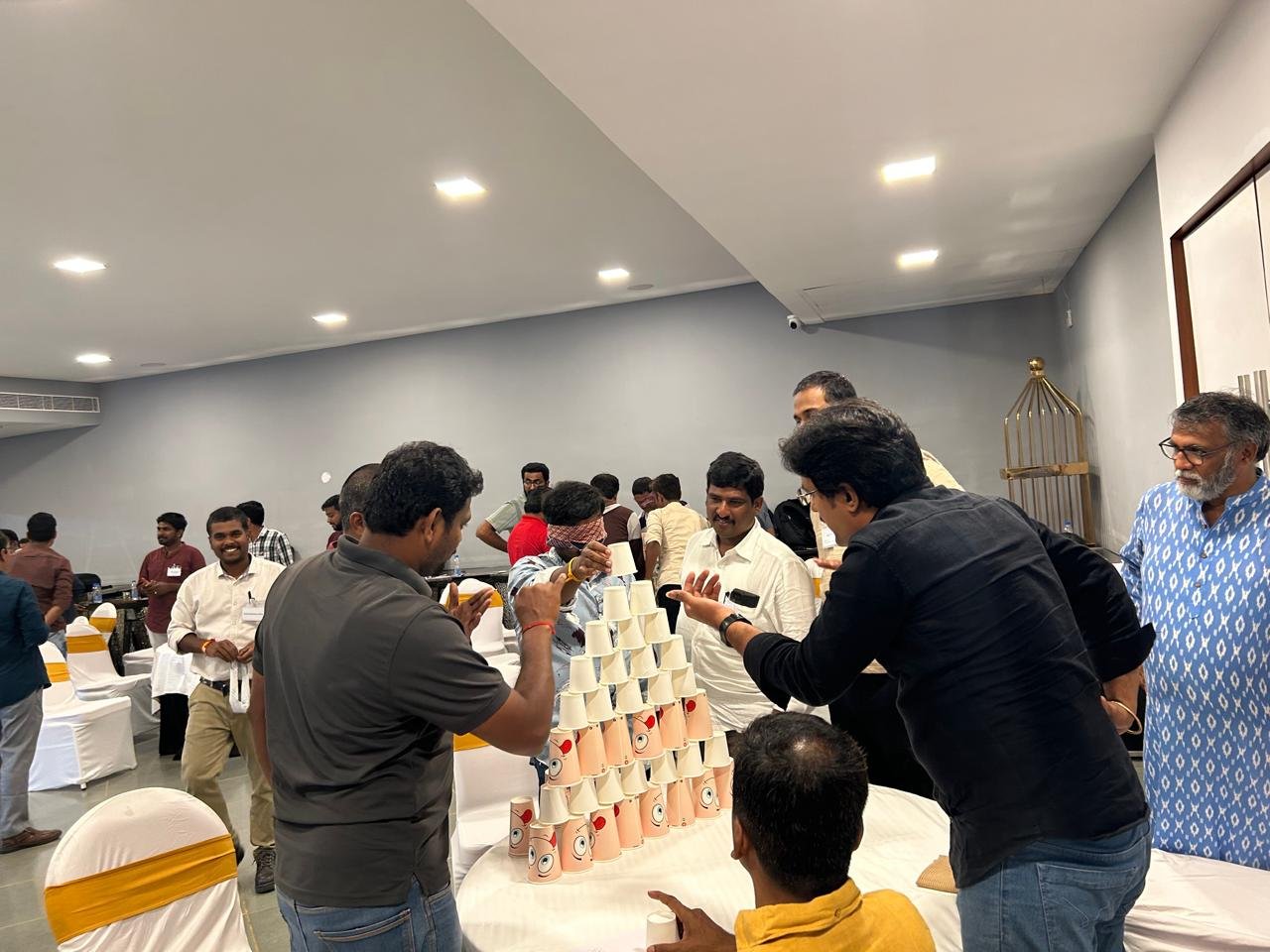
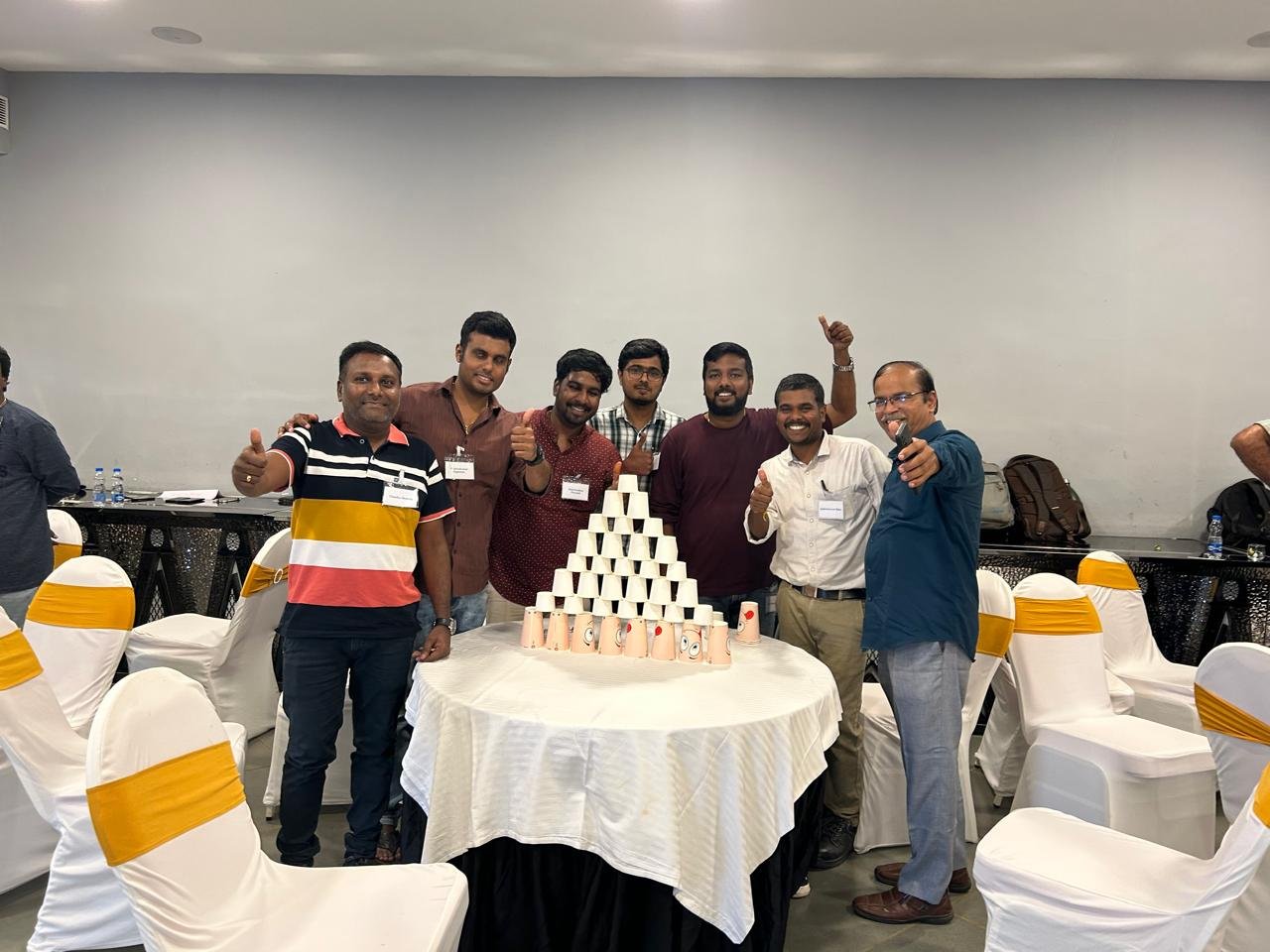
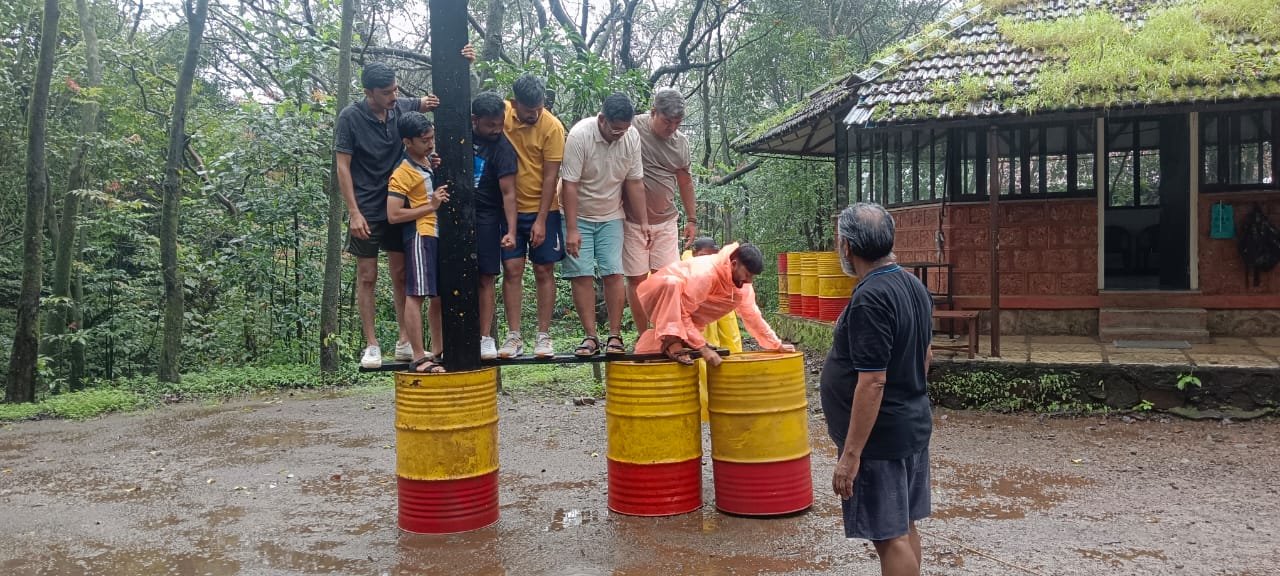
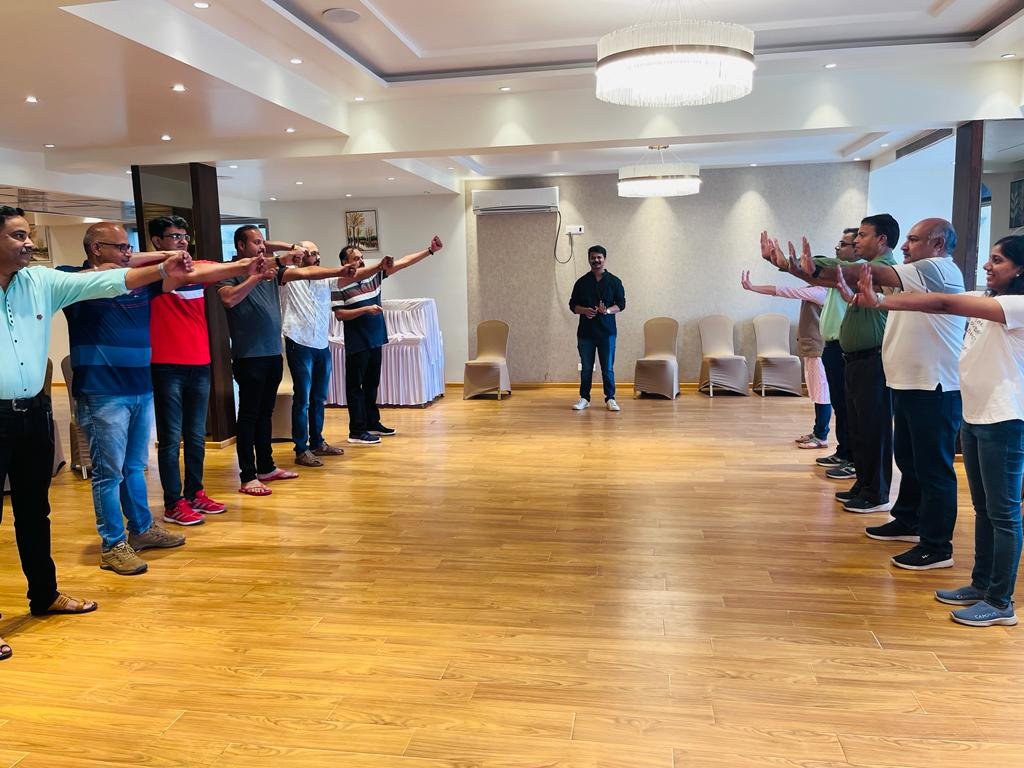
Activities are designed as near-simulations of real workplace dynamics, interdependence, limited resources, time pressure, so the team can observe how it actually behaves, not how it thinks it behaves.
The proposed intervention is shared with senior leaders before it’s built in detail, to confirm the real challenges and intended outcomes.
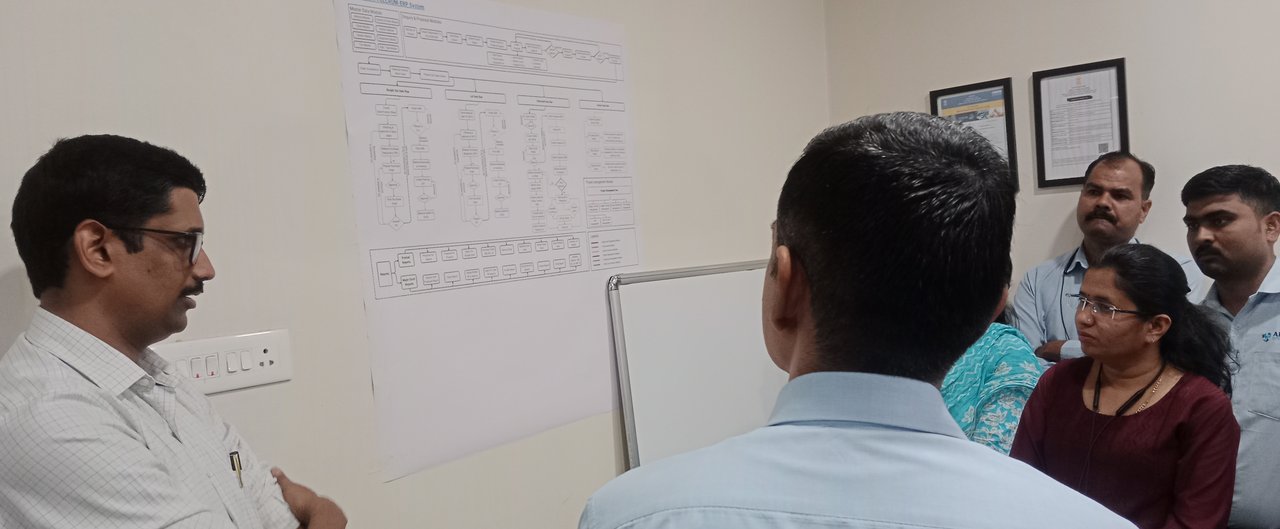
Facilitated reflection asks what happened, who took ownership, and whether something similar happens back at work, not just “was that fun.”
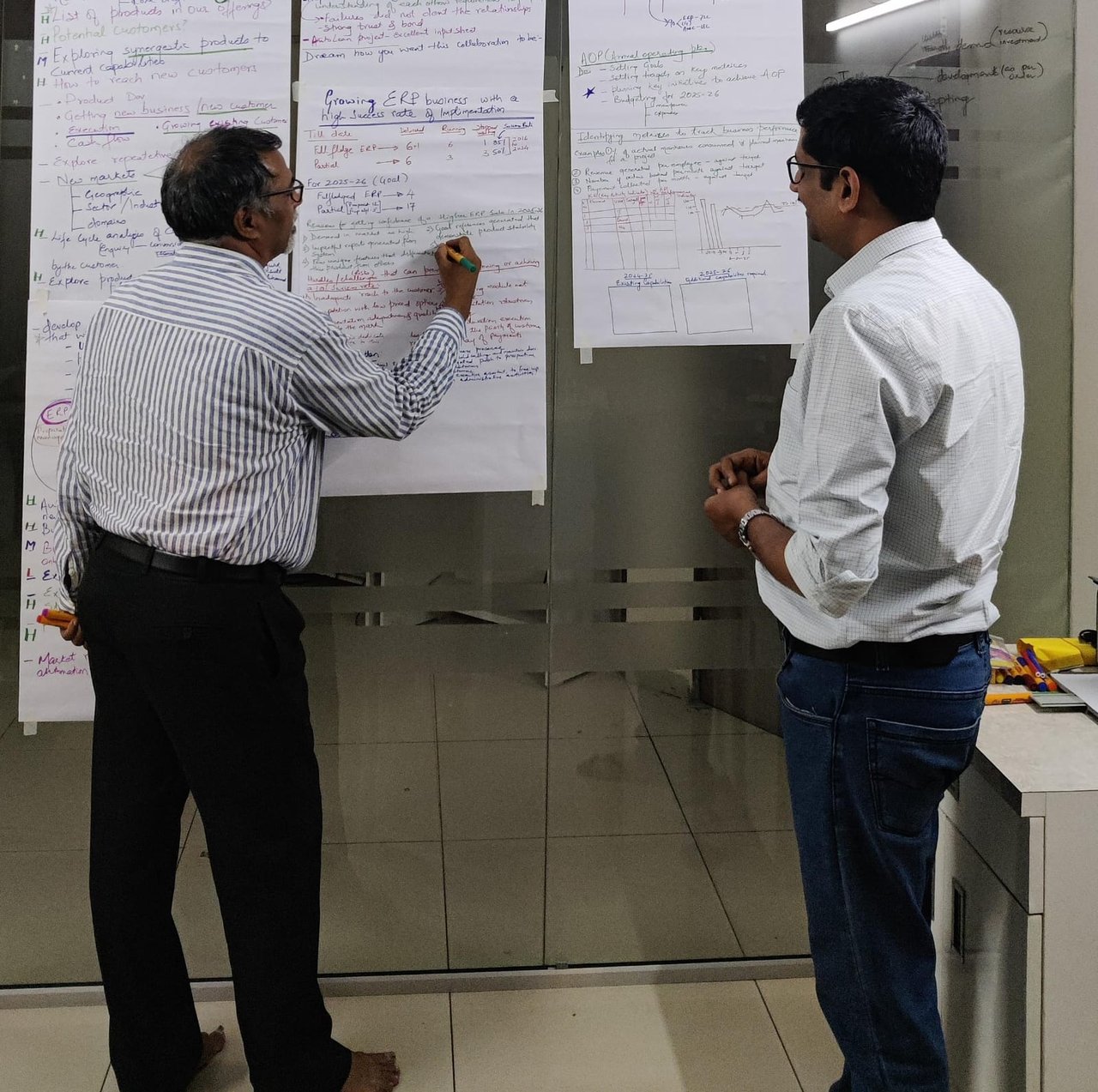
The team leaves with specific actions for collaborating, communicating, and holding each other accountable, not just a shared memory.
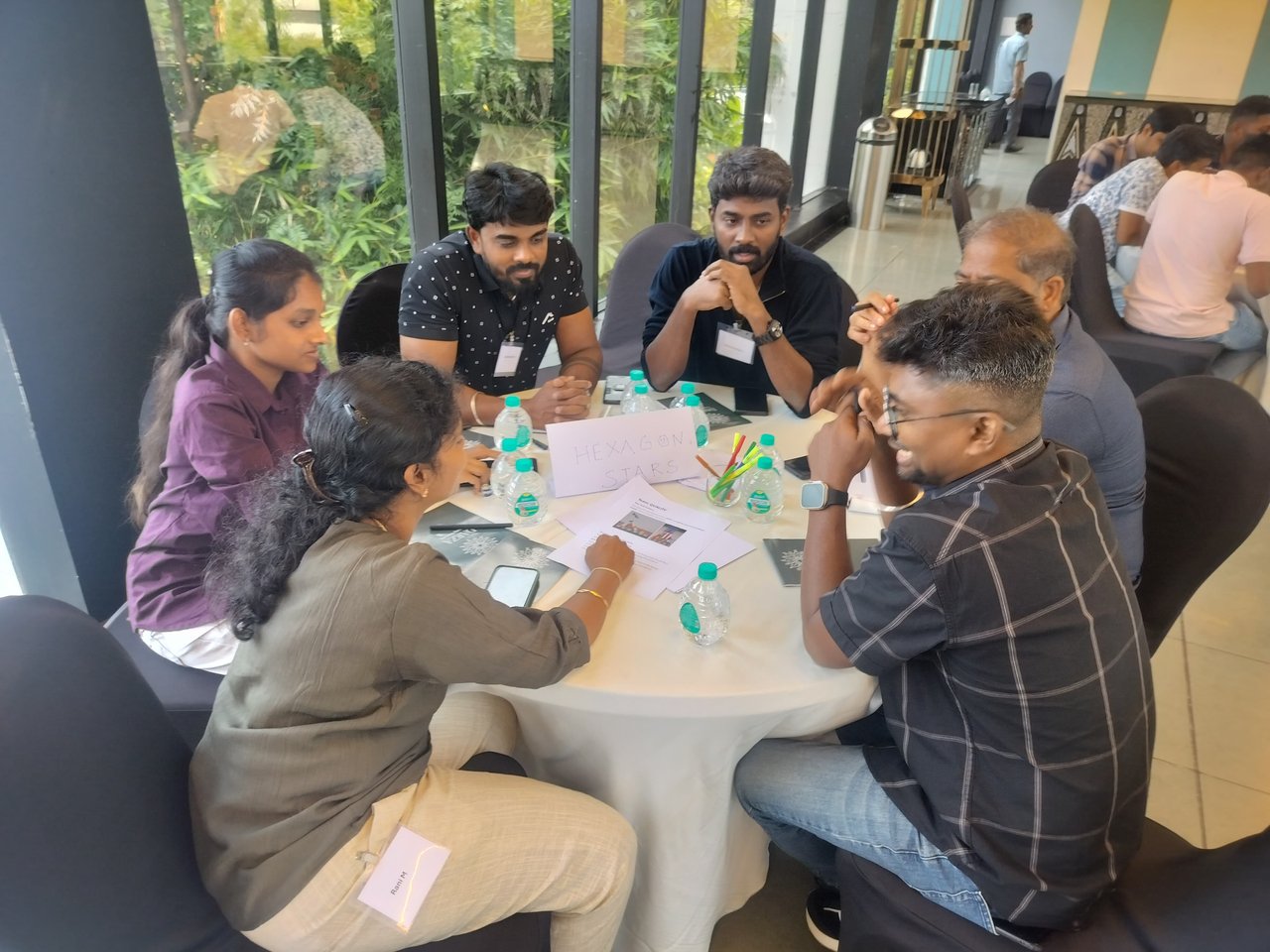
Because the activities simulate real dynamics, participants often make an immediate connection between what happened in the exercise and what happens in their organization, surfacing behaviours that are hard to see in a normal meeting.
The most important shift is from attending a program to understanding how the team actually works together, and what it will do differently because of it.