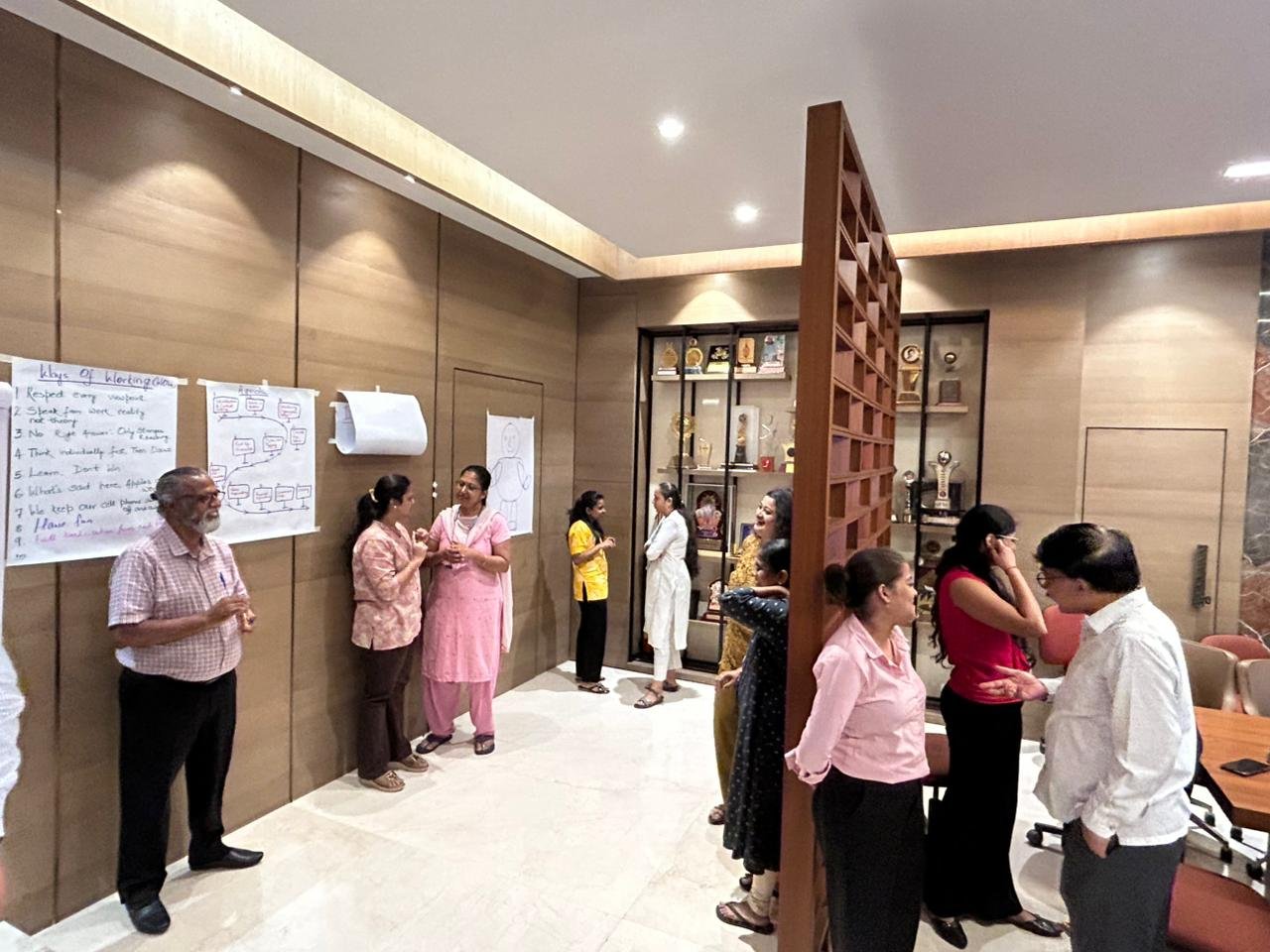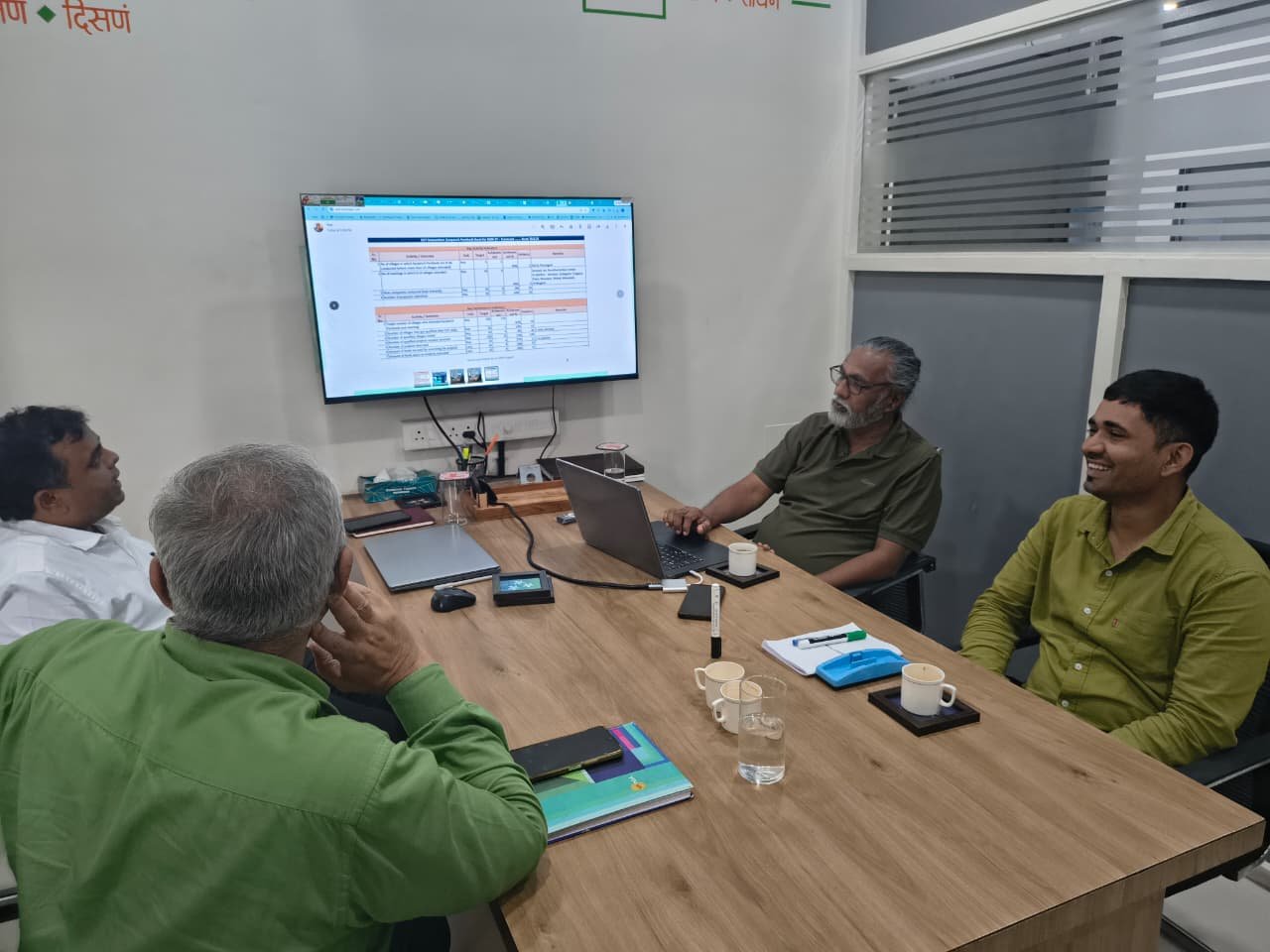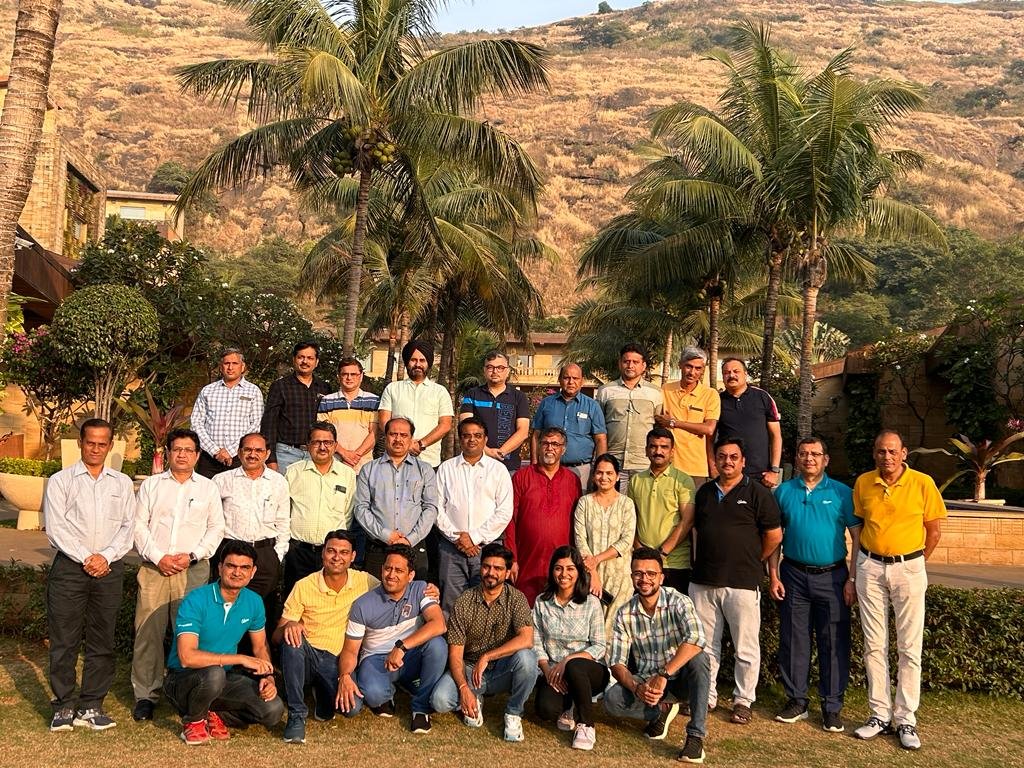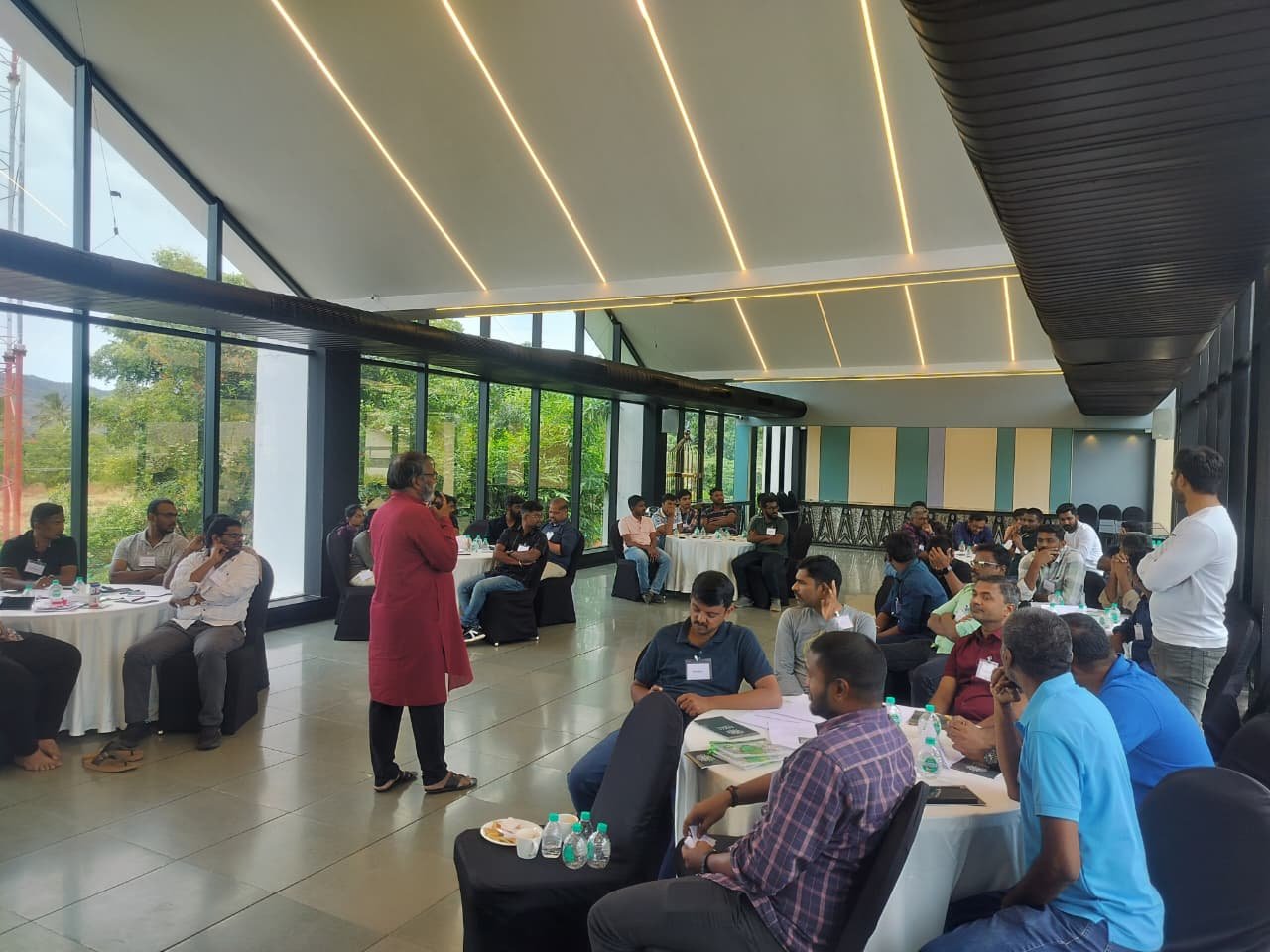

Experiential, facilitator-led sessions that help employees discover what an organization’s values actually mean, and how to use them as a compass for everyday decisions.
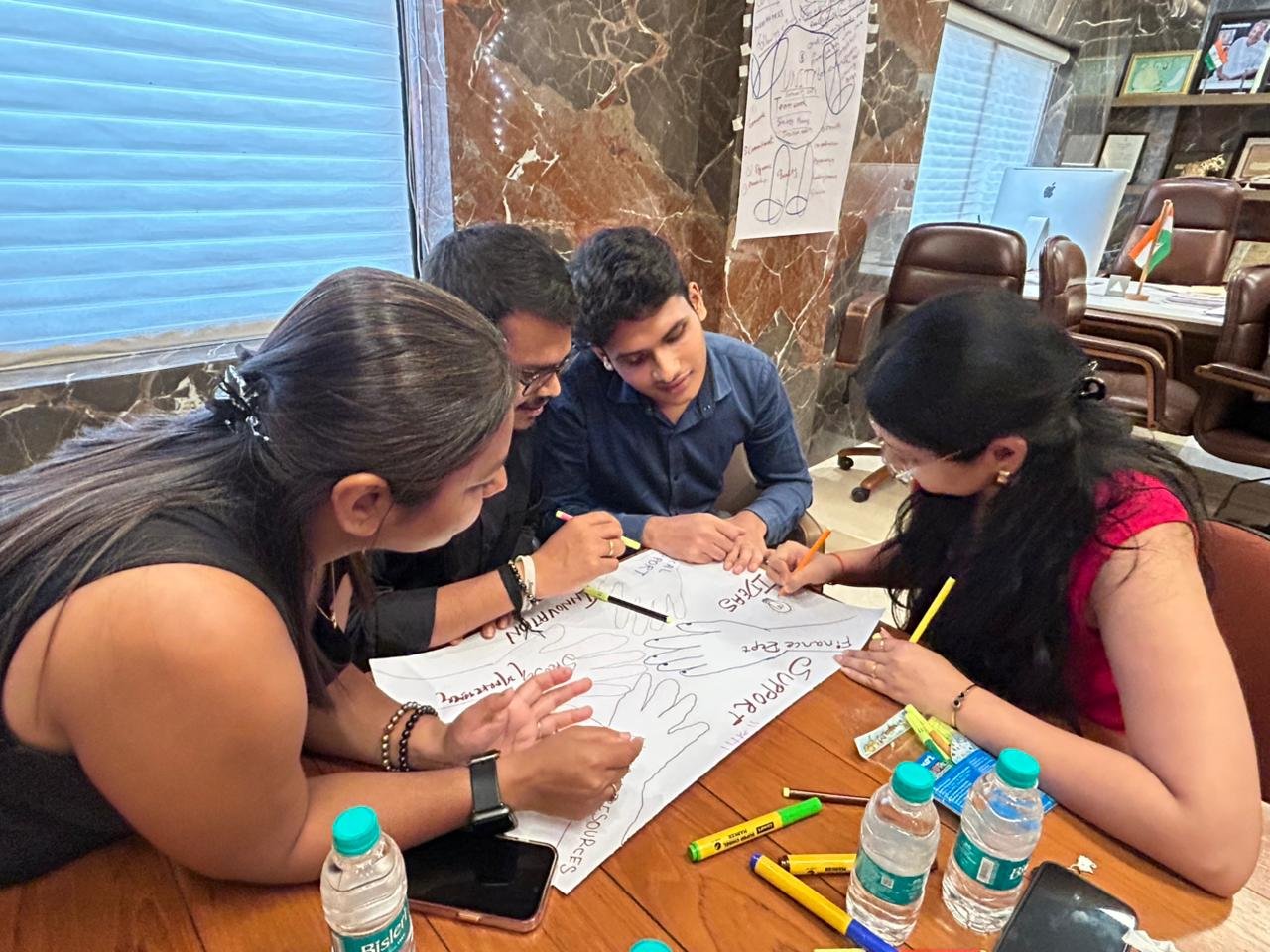
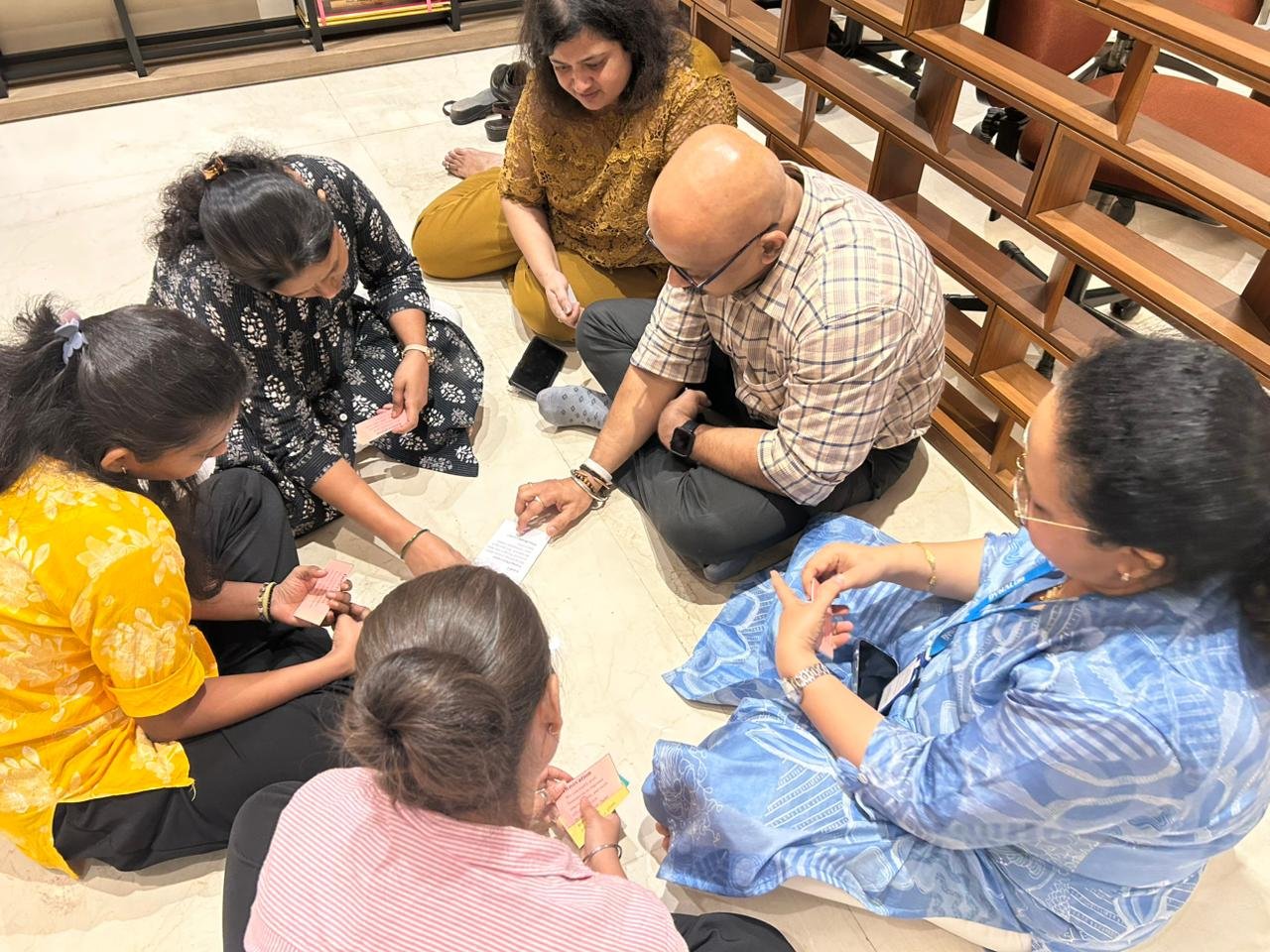
Most organizations invest real effort in defining their values, the harder part is what happens after. Employees can know the words without understanding what they mean, why they matter, or how they should shape a decision.
I design values-cascading sessions that are experiential rather than explanatory: participants discover the meaning themselves instead of being told what a value means.
The same value gets read differently by different employees, with no shared understanding of what “living” it actually looks like.
Values remain abstract statements that never consciously enter the moment an employee is actually choosing what to do.
Employees can recall a value in a workshop but struggle to translate it into an observable behaviour back at their desk.
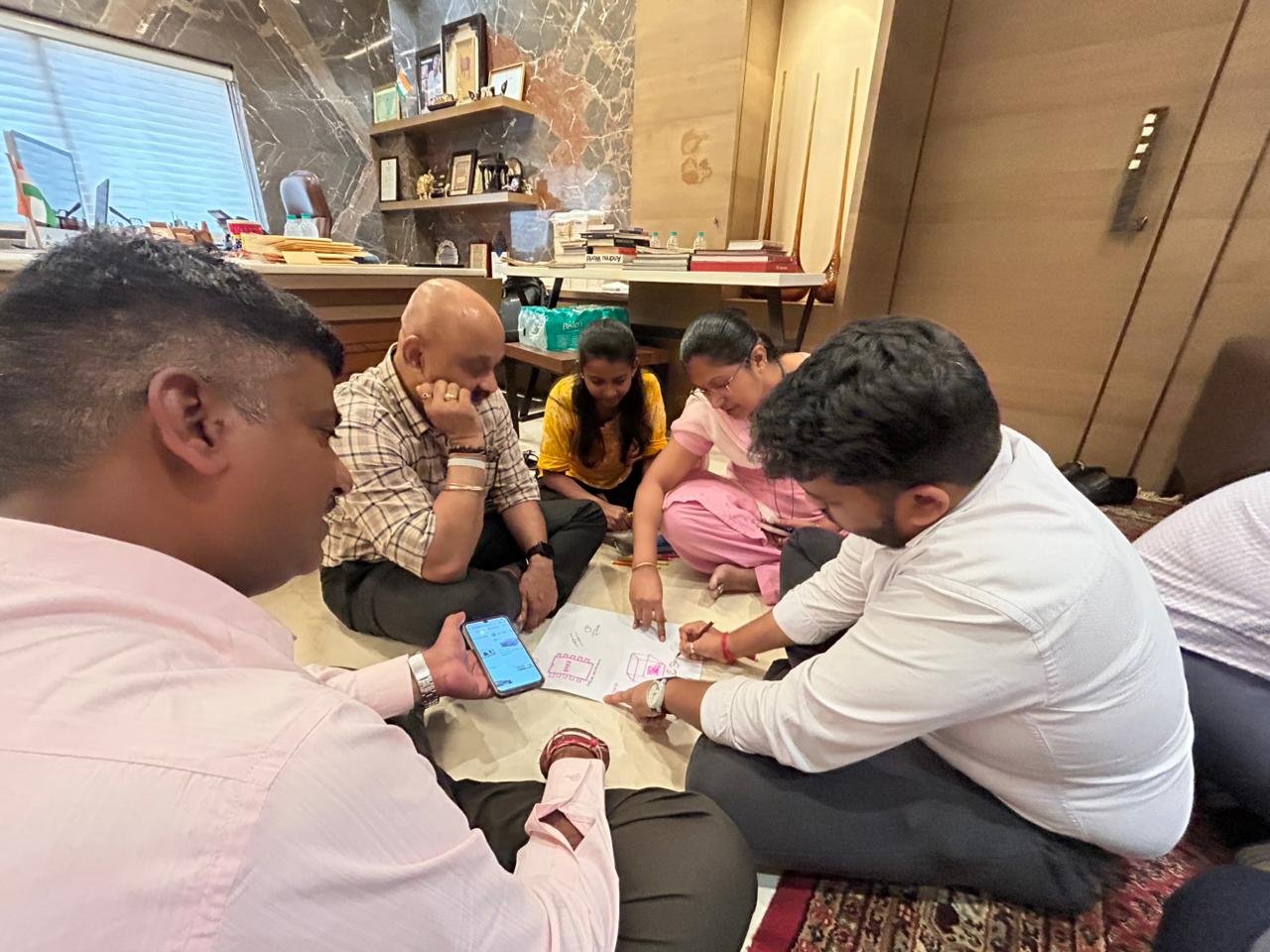
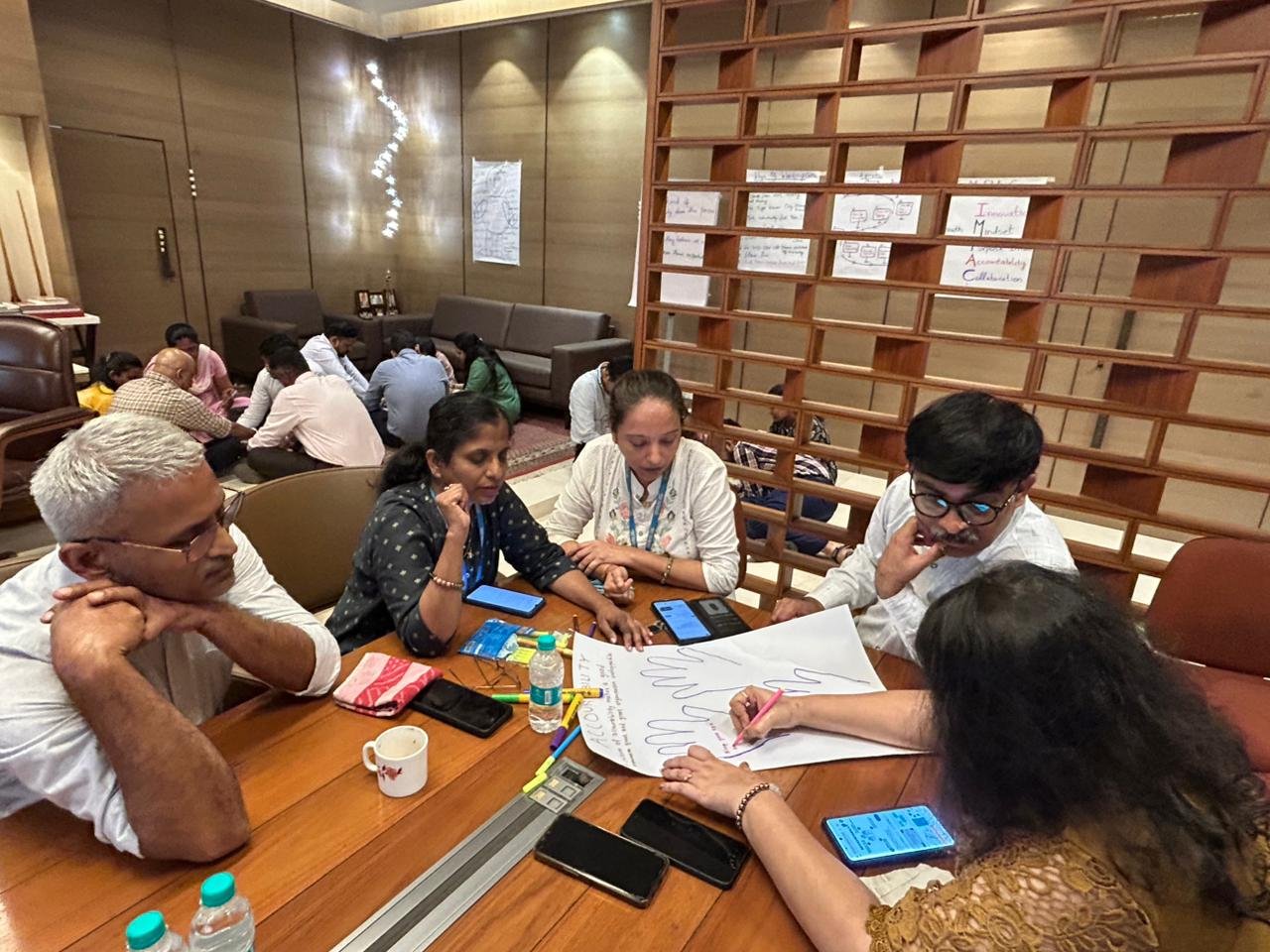
The intervention starts by understanding what each value is meant to represent before any session is designed, so it reflects the organization’s actual intent, not a generic template.
Activities, discussion, and reflection let participants explore what a value looks like in practice, and what would contradict it, instead of hearing a definition.
Participants examine situations where competing priorities make a decision genuinely hard, and explore how the organization’s values can guide the choice.
Because the learning is participant-led, employees leave with a personal understanding of the values, not just the terminology management handed them.
Participants shift from “I know what our values are” to “I understand what these values mean and how I can live them”, connecting values to their own actions, workplace situations, and decisions.
The real measure of success isn’t whether employees can recite the values. It’s whether someone watching the organization can recognize those values through the way people actually behave.