
Learning interventions designed around the change an organization actually needs, not a predetermined topic, so participants apply what they learn instead of just remembering it.
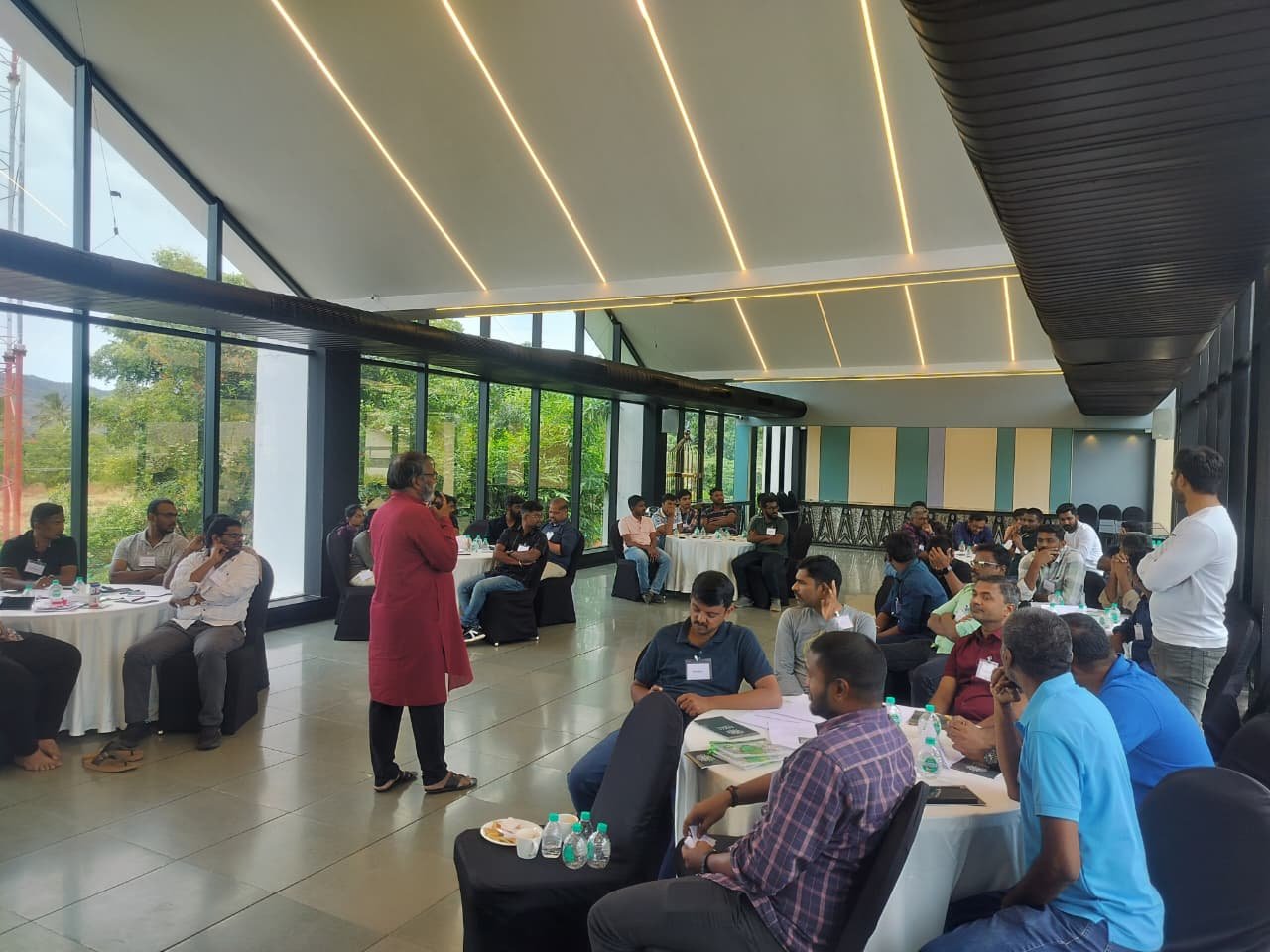
Organizations often approach training with a stated topic, goal setting, collaboration, leadership. But the request isn’t always the same as the underlying need: a “collaboration” ask can really be about unclear roles or conflicting priorities.
I work with stakeholders before any content is built, to understand what’s actually happening and what needs to change as a result of the intervention.
A request for goal-setting training may really stem from an inconsistent performance process, not a skills gap.
Off-the-shelf training rarely addresses what’s actually happening inside a particular organization.
Participants can grasp a concept in the room and still struggle to apply it once they’re back at their desk.
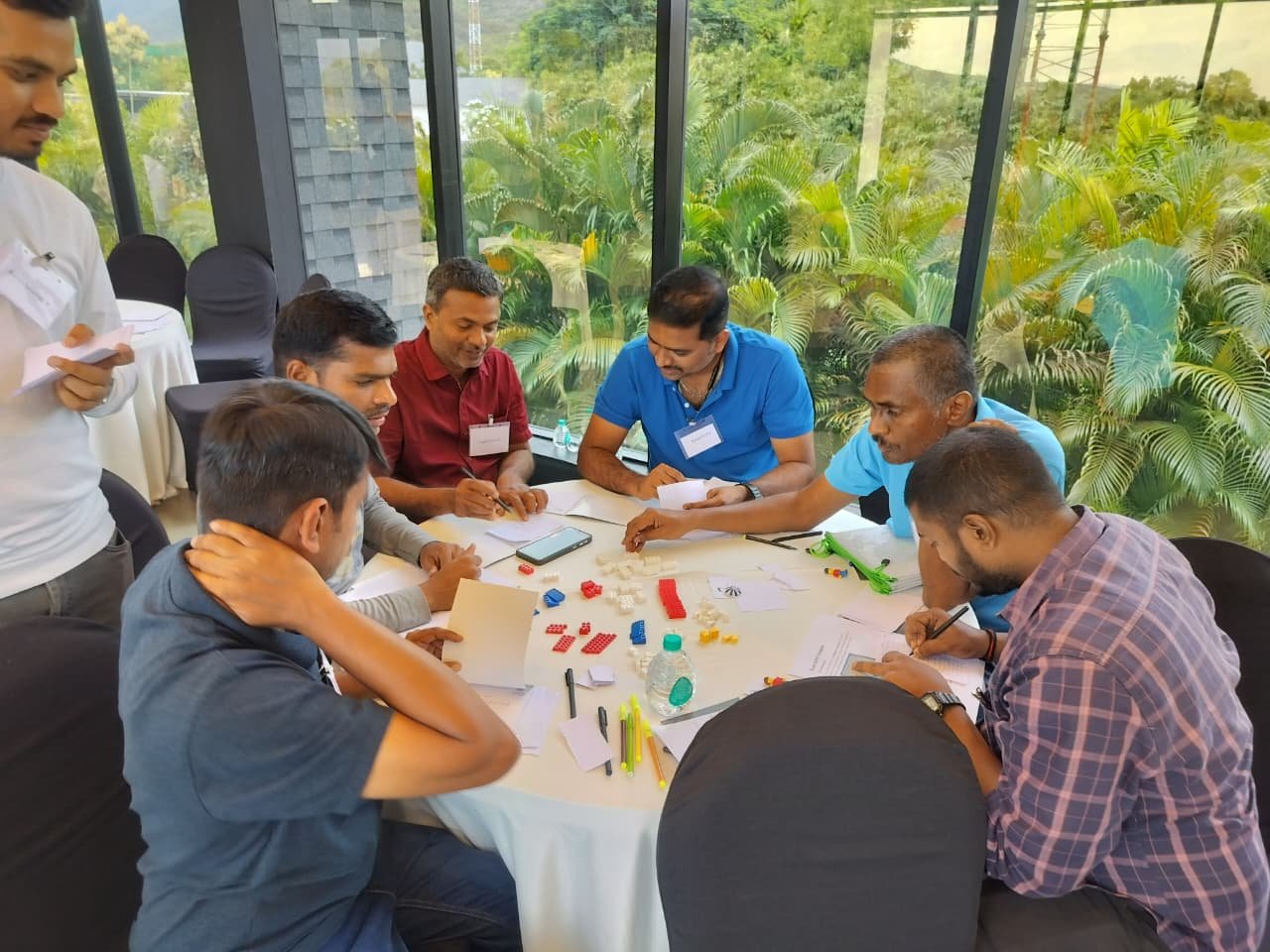
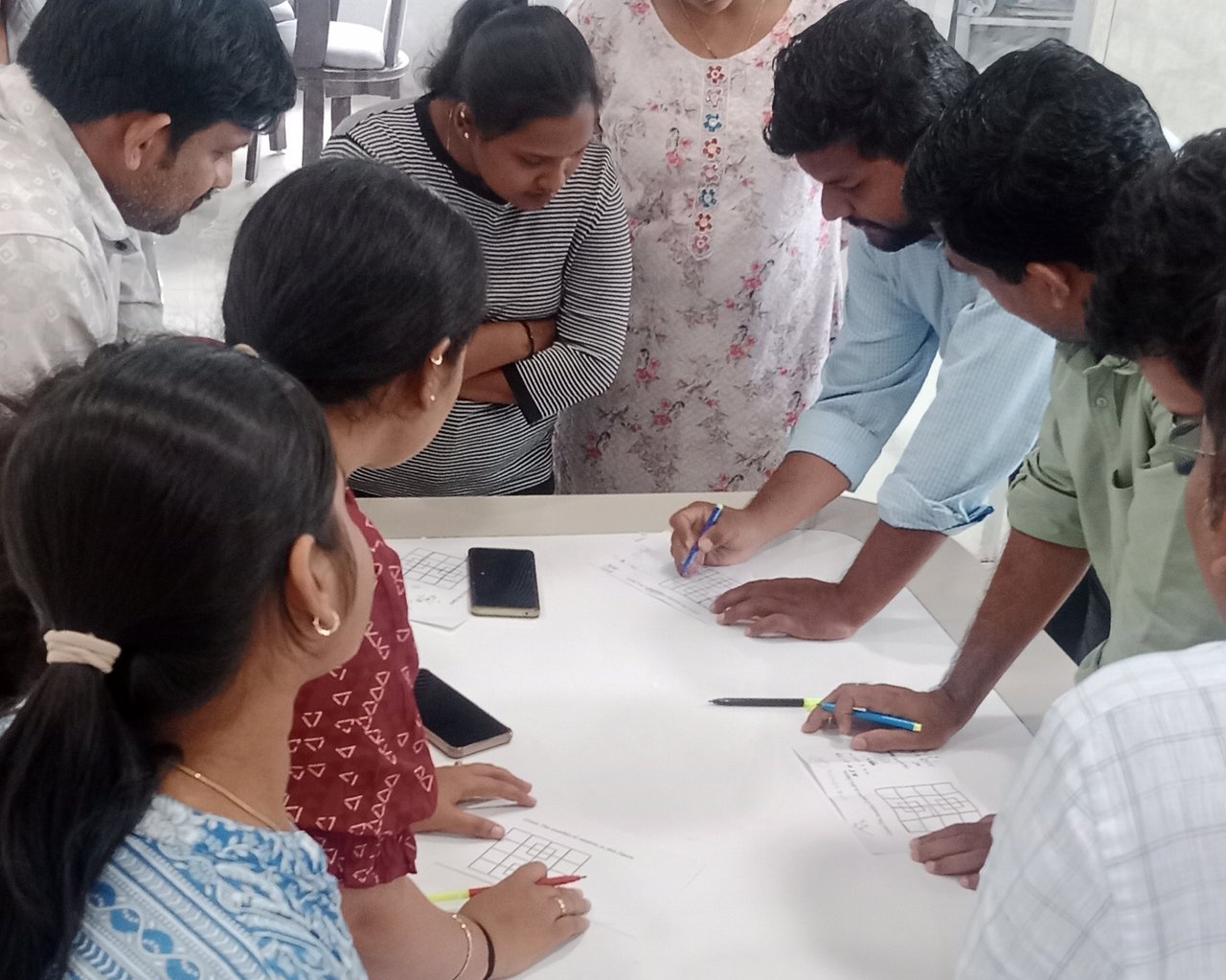
Application is built into the design from the start, not added as an afterthought once the session is over.
Discussions with stakeholders establish what’s not working and what success should look like, before a single slide is built.
Overall program outcomes and module-level outcomes give every part of the session a clear line of sight to the organizational need.
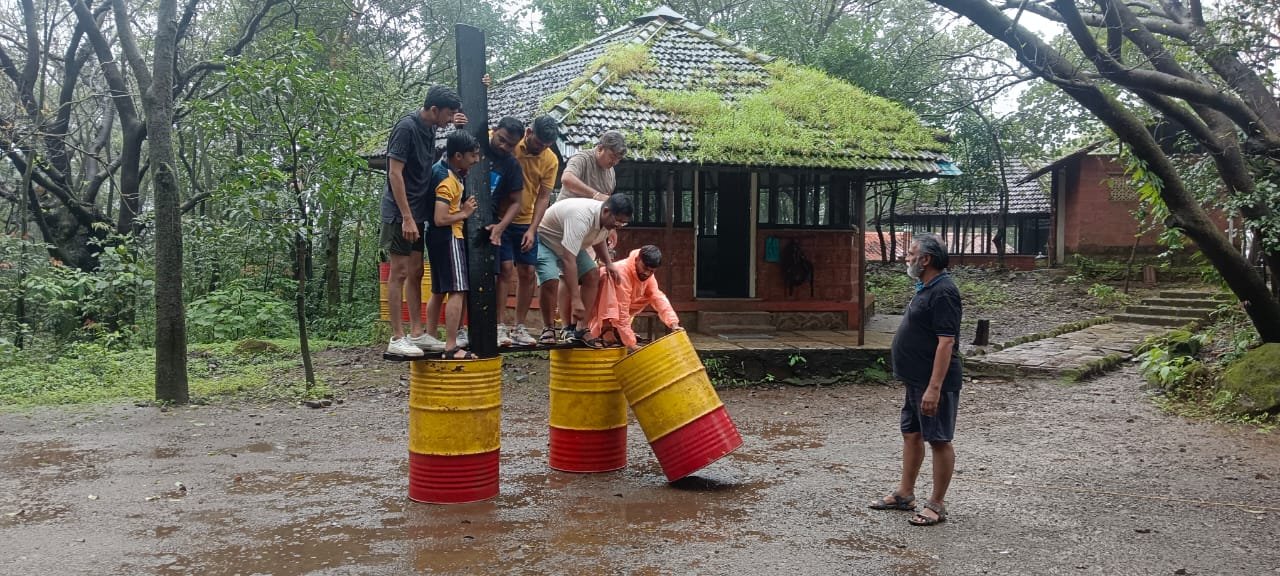
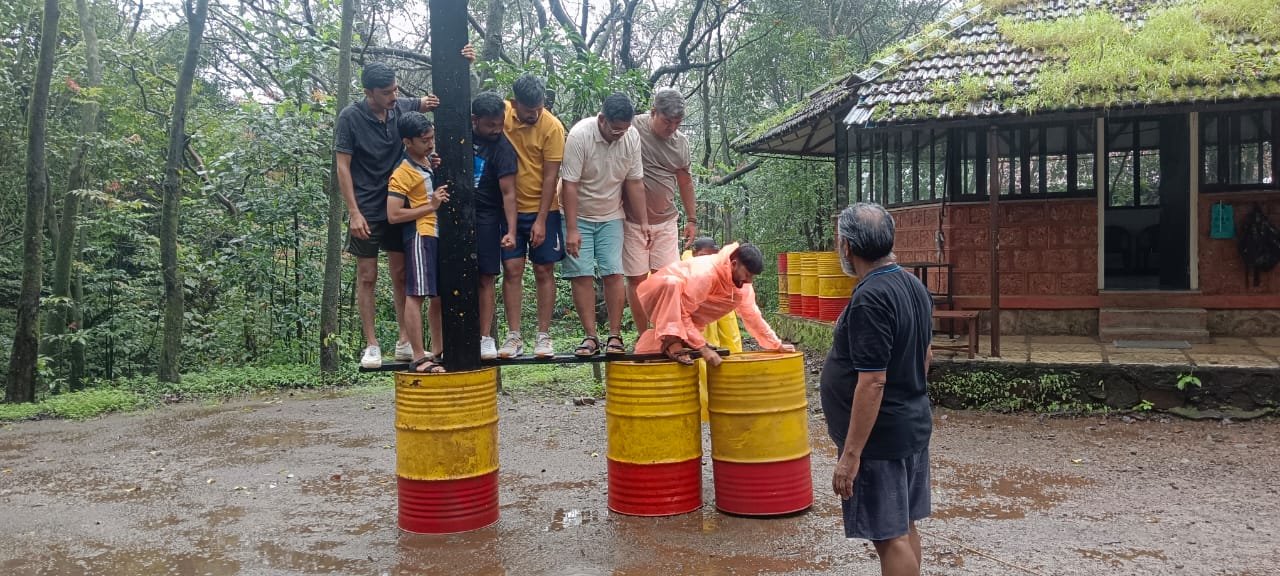
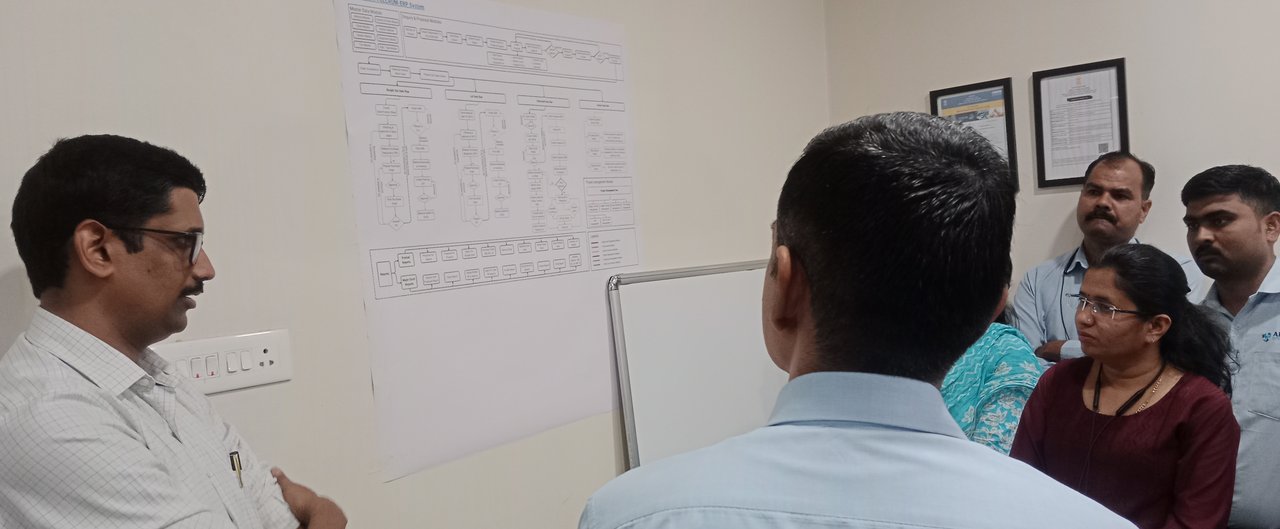
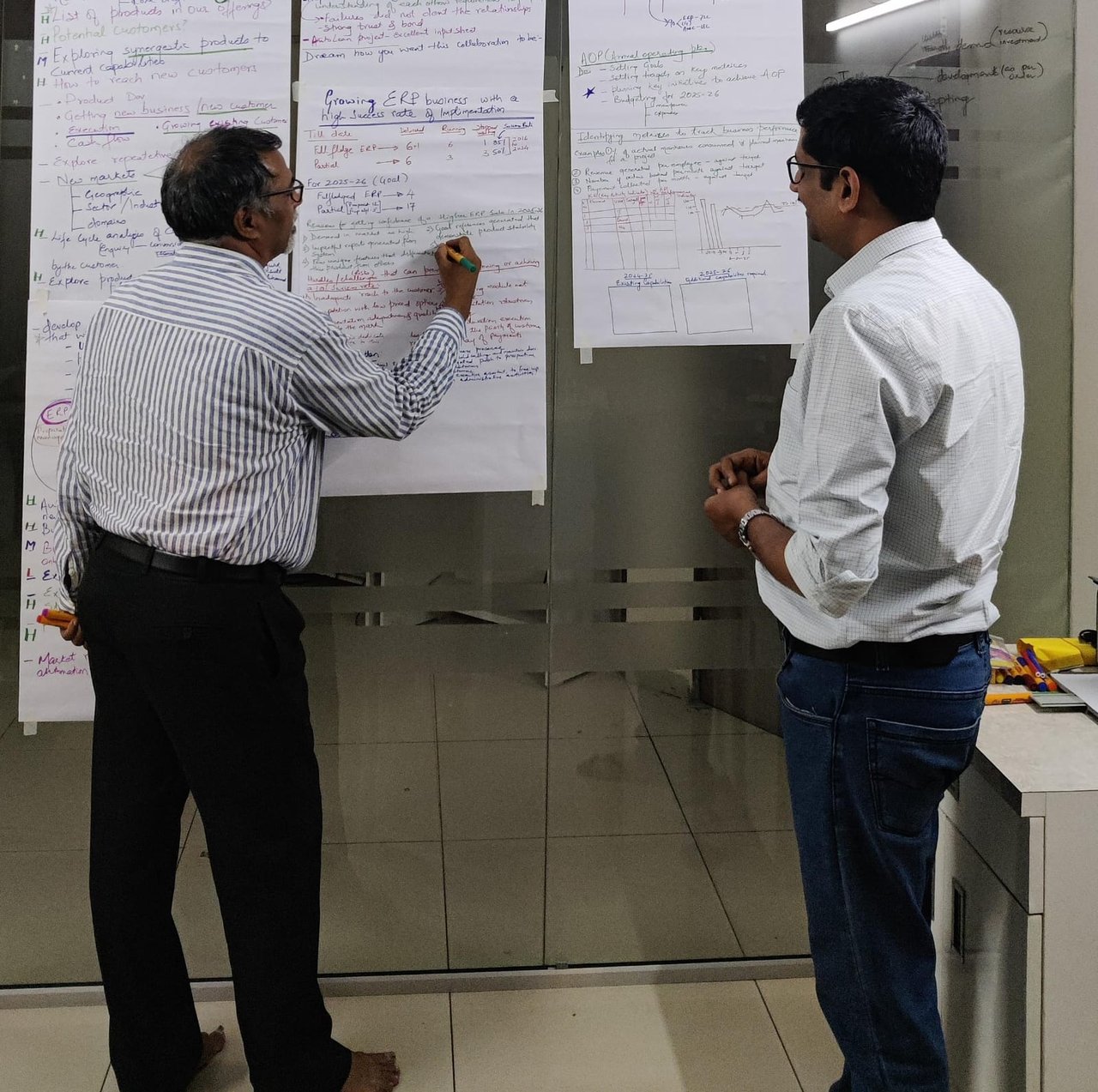
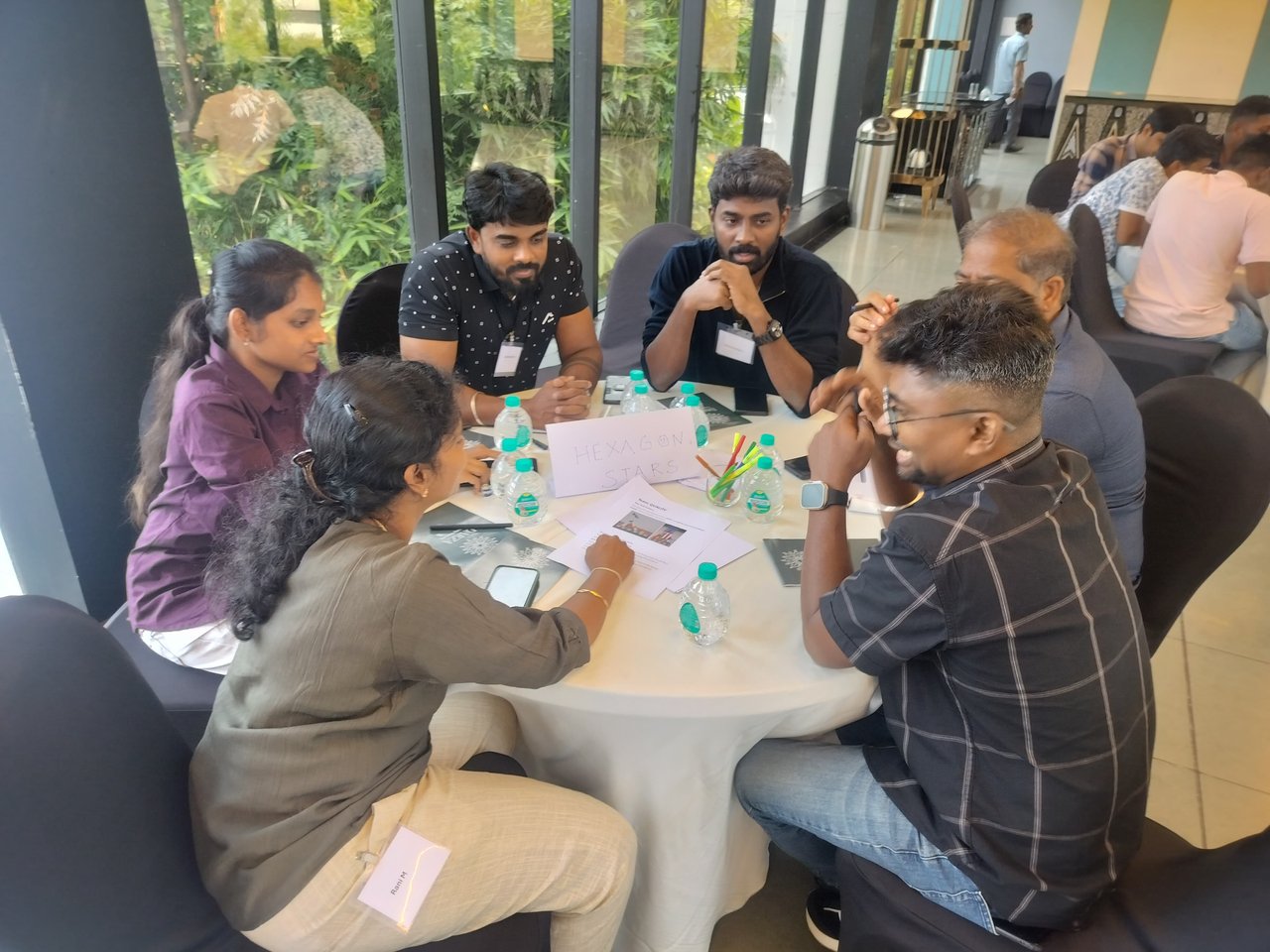
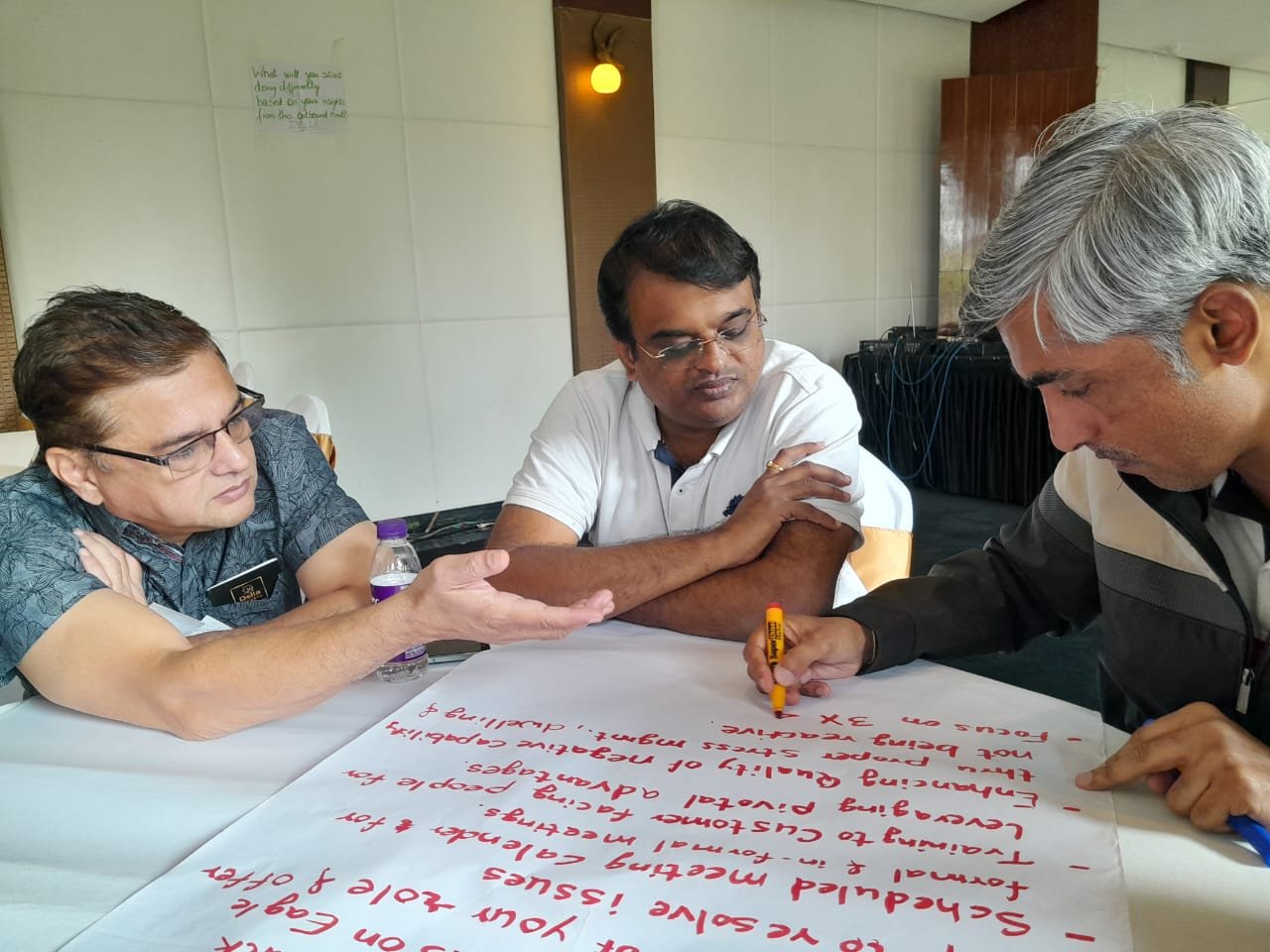
Participants work with frameworks, solve real situations, and derive their own insights, rather than receiving information passively.
Participants leave having identified what they’ll do differently, which tools they’ll use, and what might get in the way.
This approach has shaped interventions across goal setting, collaboration, L&D architecture, and other capability areas, with participants leaving with more than conceptual understanding, because they’ve practiced the concepts against their own situations.
The guiding question moves past “did participants like the training” to “did the intervention create the intended change”, because the design starts with the change an organization needs, not the training topic it asked for.